A good woodworking Japanese pull saw makes cleaner cuts with less effort, especially for joinery, trim work, and flush cutting. The pull-stroke design helps the blade stay straight and controlled, which is why these saws are popular with both beginners and experienced woodworkers.
In this roundup, we focus on the strengths that matter most: blade style, tooth count, flexibility, and overall cutting versatility, so you can choose the right saw for your projects.
Best 10 Woodworking Japanese Pull Saw Picks for 2026
Compact Flush-Cut Ryoba
6 Inch Double Edge Pull Saw for Precision Cuts

- 6-inch blade for precise flush and finish cuts
- 17 TPI hardwood side and 14 TPI softwood side
- Flexible SK5 steel blade with beechwood handle
Best For: Flush cuts, finish cuts, and small precision woodworking
Artisan Ryoba Joinery Saw

- Rip teeth on one side, crosscut teeth on the other
- 9.5-inch blade for stock sizing and joinery
- Made in Japan with wood handle and brass accents
Best For: General-purpose joinery and cutting stock to size
Replaceable-Blade Precision Ryoba
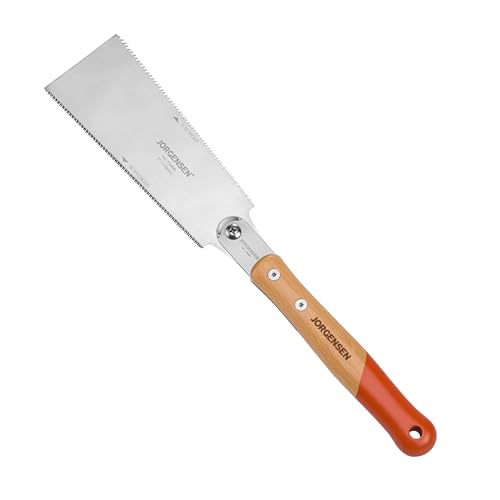
- 18 TPI hardwood side and 7-12 TPI rip side
- Replaceable blade design for long-term use
- Ergonomic beech wood handle with SK5 steel blade
Best For: Precise woodworking cuts with easy blade replacement
Dedicated Flush-Cut Saw

- Built for flush-cutting pegs, wedges, and tenons
- Compact 6-inch blade for close control
- Japanese steel blade with beechwood handle
Best For: Flush trimming dowels, pegs, wedges, and tenons
Premium Made-in-Japan Ryoba
9.5" Assembly Ver. Double Edge Saw

- Made in Japan with Japanese steel
- Ryoba blade for rip and crosscut work
- Assembly version includes tools
Best For: Clean, traditional cuts in furniture making and carpentry
Versatile Flush-Cut Pick

- Replaceable SK5 flexible blade
- 7-12 TPI and 18 TPI edges
- Soft-grip handle reduces fatigue
Best For: Mixed woodworking tasks, including trim and flush cutting
Compact Fine-Cut Ryoba
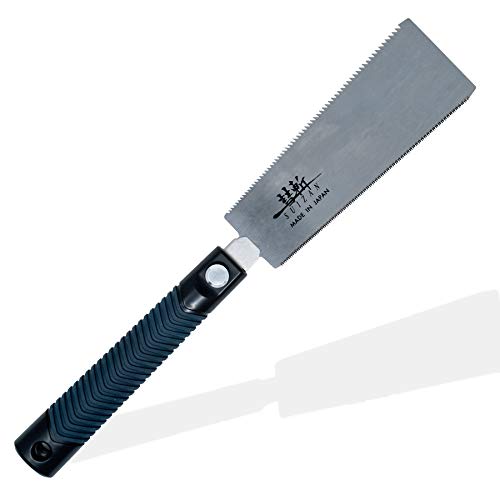
- Compact 7-inch blade for control
- Ryoba teeth for rip and crosscut
- Japanese steel for sharp cuts
Best For: Precision joinery and smaller woodworking jobs
Versatile Ryoba Pick
RUITOOL 10-Inch Ryoba Double-Edge Pull Saw

- Flexible SK-5 blade for durability and wear resistance
- Coarse and fine teeth for rough and detailed cuts
- Suitable for flush cuts, woodworking, and renovation tasks
Best For: Users who want one versatile pull saw for multiple woodworking jobs
Precision Trim Pick
SUIZAN 5-Inch Flush Cut Japanese Pull Saw

- Made in Japan with Japanese steel and razor-sharp cuts
- Lightweight pull-saw design needs less power than push saws
- Ideal for dowels, plugs, and other flush trimming
Best For: Detail-oriented users doing precision flush cuts
Two-Saw Starter Set
GARTOL 2-Piece Japanese Pull Saw Set
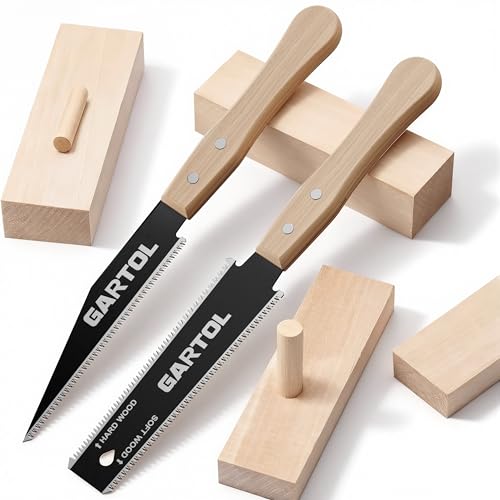
- Includes a 6-inch flush saw and double-edged Ryoba
- Flexible SK5 blades for durability and clean cuts
- Ergonomic wooden handles improve comfort and control
Best For: DIYers and woodworkers who want a compact multi-use saw kit
Compact Flush-Cut Ryoba – 6 Inch Double Edge Pull Saw for Precision Cuts
If you’re shopping for a woodworking Japanese pull saw for flush cuts and fine finish work, this compact 6-inch Ryoba is built for precision. Its double-edge design gives you one side for hardwood and the other for softwood, while the pull-stroke cutting action helps keep the kerf thin and the cut controlled.
Best For: Woodworkers who need a small, lightweight saw for flush cuts, finish cuts, and general small-scale woodworking.
Pros:
- 6-inch blade is sized for precise flush and finish cuts.
- Double-edge teeth: 17 TPI for hardwood and 14 TPI for softwood.
- SK5 high-carbon steel blade is flexible and hardened for durability.
- Beechwood handle keeps the saw lightweight and easy to control.
Cons:
- Short blade length is less suited to larger stock-cutting tasks.
- Designed primarily for precision work rather than heavy-duty cutting.
This is a practical pick if you want a small ryoba that focuses on clean, accurate woodworking cuts. It stands out more for flush trimming and finish work than for versatility across bigger projects.
Artisan Ryoba Joinery Saw – 9.5 Inch Double-Edge Pull Saw
This woodworking Japanese pull saw is aimed at general-purpose cutting, from sizing stock to making joinery cuts like dovetails and tenons. The 9.5-inch double-edge blade gives you rip teeth on one side and crosscut teeth on the other, and the pull-stroke action supports a smooth, narrow-kerf cut.
Best For: Woodworkers who want a versatile ryoba for joinery, cutting boards to size, and clean everyday shop use.
Pros:
- Double-edge design handles both rip cuts and crosscuts.
- 9.5-inch blade is suited to stock sizing and medium-sized joinery.
- Made in Japan with high-grade Japanese steel for lasting sharpness.
- Wood handle with brass components gives it a refined, traditional feel.
Cons:
- Not as specialized for flush trimming as a dedicated flush-cut saw.
- Higher emphasis on craftsmanship may come at a less compact size.
For buyers who want one pull saw to cover a broad range of woodworking tasks, this model is a strong all-around option. It blends traditional materials with a practical blade layout that fits most shop needs.
Replaceable-Blade Precision Ryoba – 7 Inch Double Edge Pull Saw
For a woodworking Japanese pull saw that balances precision with long-term value, this 7-inch Ryoba is built around a flexible SK5 blade and replaceable design. Its double-edge layout gives you fine hardwood control on one side and a faster rip-cut style on the other, making it useful for detailed shop work.
Best For: Woodworkers who want a precise, comfortable pull saw with a replaceable blade for ongoing use.
Pros:
- Double-edge blade offers 18 TPI for hardwoods and 7-12 TPI for rip cuts.
- Replaceable blade design helps extend the tool’s useful life.
- Geometric three-sided teeth are designed for smoother cutting and chip removal.
- Ergonomic beech wood handle supports one-handed or two-handed use.
Cons:
- Shorter 7-inch blade may not suit larger cutting jobs.
- Includes no major accessories beyond the bare tool.
This is a smart choice if you value precision and maintenance-friendly design over blade length. It looks especially appealing for woodworkers who want a durable saw they can keep using by swapping in a fresh blade.
Dedicated Flush-Cut Saw – 6 Inch Double Edge Pull Saw
If you need a woodworking Japanese pull saw specifically for trimming dowels, pegs, wedges, and tenons flush, this 6-inch model is purpose-built for that job. The pull-stroke cutting action and narrow-kerf blade are meant to deliver accurate, smooth cuts close to an adjacent surface.
Best For: Woodworkers who want a dedicated flush-cut saw for trimming joinery and protruding pieces cleanly.
Pros:
- Made specifically for flush cutting pegs, wedges, dowels, and tenons.
- 6-inch blade is compact and easy to control near surfaces.
- High-grade Japanese steel is designed for clean precision cuts in soft and hardwoods.
- Beechwood handle with brass components adds a traditional build feel.
Cons:
- Specialized design is less versatile than a general-purpose ryoba.
- Short blade size is not ideal for larger stock-cutting tasks.
This saw makes the most sense when flush trimming is the main task on your bench. It prioritizes control and clean finish work over broader all-purpose cutting capability.
Premium Made-in-Japan Ryoba – 9.5" Assembly Ver. Double Edge Saw
If you want a woodworking japanese pull saw that feels traditional and cuts with minimal effort, this SUIZAN ryoba is built for rip and crosscut work in furniture making, carpentry, and general DIY. The 9.5-inch blade uses Japanese steel for razor-sharp cuts, and the pull-saw design is intended to feel lighter and leave a cleaner edge than a push saw.
Best For: Woodworkers who want a Japan-made ryoba for clean rip and crosscut tasks, from beginners to experienced users.
Pros:
- Double-edge blade supports both rip and crosscut use.
- Made in Japan with top-quality Japanese steel.
- Light pull-saw action needs less power than a push saw.
- Assembly version includes handle and assembly tools.
Cons:
- Requires user assembly before use.
- Handle appearance may vary because each one is hand wrapped.
- Blade can show cracks from manufacturing, which the maker notes are not defects.
For shoppers prioritizing a traditional feel and precise cutting, this model is a strong pick in the woodworking japanese pull saw category. Its shorter 9.5-inch blade keeps it versatile for general shop work while still aiming for smooth, accurate results.
Versatile Flush-Cut Pick – 10" Pro Double Edge Hand Saw
This woodworking japanese pull saw is aimed at users who want one hand saw for both fast ripping and finer finishing. The JORGENSEN 10-inch double-edge blade uses SK5 Japanese steel, triple-ground teeth, and a flexible replaceable blade to handle hardwood, softwood, trim, and flush-cut tasks with light pulling strokes.
Best For: DIYers and carpenters who need a flexible, replaceable-blade pull saw for mixed woodworking jobs.
Pros:
- Double-edge blade offers 7-12 TPI rip cutting and 18 TPI fine cutting.
- Flexible SK5 blade is replaceable when worn.
- Lightweight design and soft-grip handle help reduce fatigue.
- Works on hardwood, softwood, trim, plywood, bamboo, and plastic pipe.
Cons:
- Needs a straight cutting line and smooth pull strokes for best results.
- Not ideal if you want a fixed-blade saw.
- Flush-cut and fine-cut performance depends on matching the correct blade edge to the task.
For buyers comparing pull saws by flexibility and range, this model stands out for its replaceable blade and dual TPI edges. It is a practical choice if you want one saw that can shift between rougher work and cleaner finishing cuts.
Compact Fine-Cut Ryoba – 7" Japanese Pullsaw
For tighter work where control matters more than blade length, this woodworking japanese pull saw delivers a compact 7-inch ryoba setup for rip and crosscut use. It uses Japanese steel, a thin kerf, and a lightweight pull action, making it a good fit for precise cuts in woodworking, joinery, and DIY tasks.
Best For: Users who want a shorter ryoba for precise, light-duty woodworking and joinery work.
Pros:
- Compact 7-inch blade is easier to manage in smaller spaces.
- Ryoba design handles both rip and crosscut jobs.
- Japanese steel blade is designed for sharp, accurate cutting.
- Lighter pull-saw operation uses less power and leaves a cleaner edge.
Cons:
- Shorter blade gives less working reach than 9.5-inch or 10-inch options.
- Only the bare tool is included.
- Best suited to precision work rather than large cuts.
If you want a smaller pull saw for detailed work, this SUIZAN model is the most compact option in the group. It makes sense when accuracy, cleaner edges, and easy handling matter more than cutting span.
Versatile Ryoba Pick – RUITOOL 10-Inch Ryoba Double-Edge Pull Saw
If you want a woodworking japanese pull saw that balances speed and finish quality, this RUITOOL ryoba is built for that job. Its flexible SK-5 blade and double-sided teeth give you a coarse side for quicker cuts and a fine side for cleaner finishing work, making it useful for both general woodworking and flush trimming.
Best For: Woodworkers who want one pull saw for rough cuts, fine cuts, and flush trimming.
Pros:
- Flexible SK-5 steel blade with hardened edges for durability and wear resistance
- Double-edged design with coarse and fine teeth for different cutting tasks
- Designed to reduce cutting resistance for smoother, less labor-intensive cuts
- Useful for woodworking, home renovation, construction, and outdoor tasks
Cons:
- Plastic handle may not appeal to buyers who prefer wood grips
- At 10 inches, it is less compact than a small trim-only saw
This is a practical all-around pull saw for users who want versatility without moving up to a full saw set. The two tooth patterns make it easier to handle different wood-cutting jobs with one tool.
Precision Trim Pick – SUIZAN 5-Inch Flush Cut Japanese Pull Saw
For buyers focused on precision trimming, this woodworking japanese pull saw is a compact flush-cut option. The short blade, razor-sharp Japanese steel, and pull-saw action are aimed at cleaner edges with less effort, especially when cutting dowels, plugs, and other trim pieces.
Best For: Fine flush trimming and detail work where a small, lightweight saw is preferred.
Pros:
- Made in Japan with top-quality Japanese steel
- Pull-saw action is lighter and requires less power than a push saw
- Razor-sharp blade designed for smooth and accurate cuts
- Works on both hardwood and softwood according to the product notes
Cons:
- Short 5-inch blade limits reach on larger cuts
- Not a replaceable-blade design
- More specialized for flush cutting than broad woodworking tasks
This SUIZAN model makes sense when the priority is clean trim work and traditional Japanese saw feel. It is a focused tool rather than a general-purpose saw, which is exactly what many detail tasks call for.
Two-Saw Starter Set – GARTOL 2-Piece Japanese Pull Saw Set
If you want a woodworking japanese pull saw setup that covers more than one job, this 2-piece GARTOL set is a strong pick. It combines a 6-inch flush-cut saw with a double-edged Ryoba, so you can handle tight trim work, rip cuts, and cross cuts without buying two separate tools.
Best For: DIYers, hobbyists, and carpenters who want a compact two-saw kit for trimming and general woodworking.
Pros:
- Includes both a flush-cut saw and a double-edged Ryoba saw
- Flexible SK5 blades are built for durability and repeated use
- Wooden handles are ergonomic and designed for a comfortable, anti-slip grip
- Compact and lightweight for easy storage and portability
Cons:
- Blade length is limited on the 6-inch flush-cut saw
- More of a compact kit than a full-size workshop saw solution
This set stands out if you want one package that handles both detailed trimming and broader woodworking cuts. The combo format gives it flexibility, while the compact size keeps it easy to carry and store.
How We Picked the Best Woodworking Japanese Pull Saw
We looked for models that balance sharpness, control, blade flexibility, and usefulness across common woodworking tasks. A strong Woodworking Japanese Pull Saw should cut cleanly without excessive tear-out, feel comfortable in hand, and match the kind of work you do most often—whether that is flush trimming, joinery, or general board cutting.
We also prioritized practical details such as double-edge blades for more versatility, SK5 steel for durability, and tooth configurations that suit both rip cuts and crosscuts.
Quick Comparison
Flush-cut models are best for dowels, pegs, wedges, and trim work. Longer ryoba saws are better all-around options for furniture building, dovetails, and tenons. If you want one saw for mixed shop use, choose a versatile double-edge blade with a mid-length body. If your work is mostly finishing or repair tasks, a compact flush-cut saw is usually the better fit.
Key Buying Factors for a Woodworking Japanese Pull Saw
Blade Type and Tooth Layout
Ryoba saws have teeth on both edges, usually with one side optimized for rip cuts and the other for crosscuts. That makes them ideal if you want one saw for multiple tasks. Flush-cut saws typically have a single flexible edge and a thin profile that reduces the chance of scarring adjacent surfaces.
Blade Length and Flexibility
Longer blades can cover material faster and feel more capable on larger stock, while shorter blades offer better control in tight spaces. Flexibility matters too: a more flexible blade is helpful for flush work, but a stiffer blade can feel steadier on precision cuts.
Tooth Count and Cutting Style
Higher TPI generally gives a smoother finish and finer control, while lower TPI can cut faster. For a Woodworking Japanese Pull Saw, choose a tooth pattern that matches your main use—finer teeth for delicate joinery, more aggressive teeth for quicker breakdown work.
Handle and Ergonomics
Comfort matters more than many buyers expect. A well-shaped handle helps keep the saw aligned during the pull stroke and reduces fatigue during longer sessions. Wooden handles often feel traditional and secure, while synthetic grips may be easier to maintain.
Who Should Buy Which Woodworking Japanese Pull Saw?
If you mainly do furniture making or joinery, a ryoba saw is the most versatile choice. If you often trim plugs, pegs, or dowels, a flush-cut model will save time and help protect finished surfaces. Beginners usually do best with a general-purpose double-edge saw because it covers the widest range of tasks without needing a large tool collection.
For more advanced shop work, having both a ryoba and a flush-cut saw is often the smartest setup. That combination gives you one tool for accurate cutting and another for finish-level cleanup.