A good dovetail saw makes fine joinery faster, cleaner, and less frustrating. The right blade tooth count, plate thickness, and handle style can make a big difference in control and cut quality.
Below, we focus on practical options for furniture work, box making, and precision trimming, so you can choose a saw that matches your wood, your technique, and your budget.
Best 10 Woodworking Dovetail Saw Picks for 2026
Precision Dovetail Saw
SUIZAN 6" Dozuki Cross Cut Pull Saw

- Pull-saw design needs less power
- Sharp Japanese steel for clean cuts
- Compact 6-inch blade for detail work
Best For: Fine joinery and precision dovetail cuts
Compact Tenon Saw

- 170 teeth for fine control
- Brass back adds rigidity
- Good for joint cutting and small pieces
Best For: Small joinery and controlled hand cutting
Fine-Cut Pull Saw
SUIZAN 7" Rip Cross Cut Dozuki

- Handles rip, cross, and angle cuts
- Light pull-saw design reduces effort
- 7-inch blade offers extra reach
Best For: Versatile fine joinery and furniture cuts
Traditional Brass-Back Saw
Spear & Jackson 10-Inch Tenon Saw
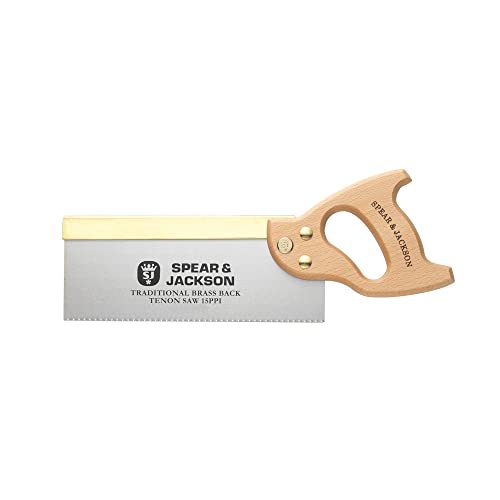
- Brass back adds maximum rigidity
- Universal teeth cut along and across grain
- Resharpenable high carbon steel blade
Best For: Traditional joinery and small wood-cutting jobs
Thick-Kerf Control Pick
Zona 35-380 Thick Dovetail Saw

- 18 TPI thick-kerf blade for push-stroke cutting
- 8-inch high-speed steel blade
- Lightweight, portable, made in the USA
Best For: woodworkers who want a durable push-stroke dovetail saw
Pull-Saw Precision Pick
Temple Tool Co. Dozuki 6 Pull Saw

- 25 TPI universal teeth for fine joinery
- Compact 150mm pull saw with thin kerf
- Japanese SK85 steel with brass back and fittings
Best For: woodworkers focused on dovetails, tenons, and fine joinery
British Brass-Backed Pick
Lynx Thomas Flinn 8-Inch Dovetail Saw

- 20 TPI rip-filed blade for dovetails
- Brass spine and back for rigidity
- Sheffield-made spring steel plate
Best For: traditionalists who want a rigid brass-backed Western dovetail saw
Compact Precision Pull Saw
WORKPRO 6'' 23TPI SK5 Pull Saw

- 23 TPI triple-tooth blade for fine, clean cuts
- 0.017-inch blade and reinforced spine support precision
- Beechwood handle offers a comfortable, non-slip grip
Best For: Fine dovetails, tenons, and detailed DIY woodworking
Classic Brass-Back Dovetail Saw
Thomas Flinn 10" Brass-Back Saw
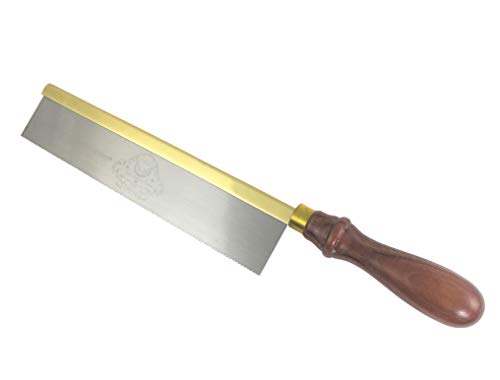
- 20 TPI teeth suit accurate joinery work
- Rolled brass back adds stiffness and smooth cutting
- Walnut handle and resharpenable steel plate
Best For: Traditional hand-cut dovetails and fine joinery
Portable Folding Detail Saw
JORGENSEN 6'' Folding Dovetail Saw
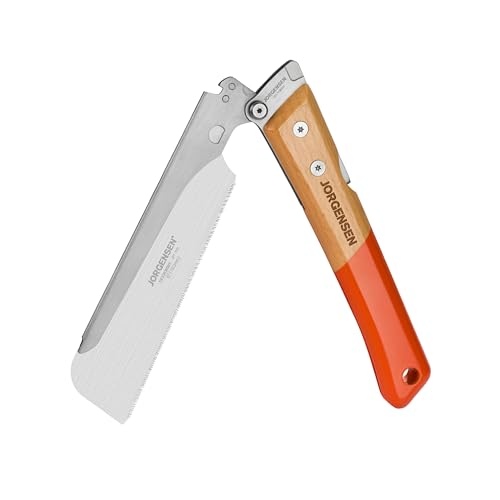
- 21 TPI hardened teeth for fine clean cuts
- 0.3 mm thin blade supports narrow kerfs
- Folding design with tool-less blade changes
Best For: Portable joinery and compact workshop kits
Precision Dovetail Saw – SUIZAN 6" Dozuki Cross Cut Pull Saw
If you want a woodworking dovetail saw that feels light in the hand and leaves a clean edge, this SUIZAN Dozuki is built for fine joinery work. Its Japanese pull-saw design uses a pulling motion instead of pushing, which can reduce effort while helping produce smooth, accurate cuts in wood.
Best For: Fine joinery, dovetail work, and detail-oriented woodworking where a razor-sharp, clean cut matters.
Pros:
- Japanese pull-saw design requires less power than a push saw
- Top-quality Japanese steel is made for razor-sharp, smooth cuts
- Made in Japan by master craftsmen
- Compact 6-inch blade suits detailed woodworking tasks
Cons:
- Short blade is focused on fine work, not larger cuts
- Replacement blade design may not suit buyers who want a fixed blade
Overall, this is a strong choice if your priority is precision and a refined cutting feel rather than fast stock removal. It’s especially appealing for woodworkers who want a traditional Japanese tool for joinery and furniture work.
Compact Tenon Saw – CROWN 10-Inch Gents Saw
This woodworking dovetail saw style option is a compact gents saw designed for small pieces and joint cutting. With a high tooth count and a brass back for rigidity, it’s aimed at controlled hand sawing where a steadier blade matters more than aggressive cutting speed.
Best For: Small woodworking tasks, joint cutting, and sawing small pieces of wood or wood-based materials.
Pros:
- 170 teeth provide very fine cutting control
- Brass back adds maximum rigidity
- Comfortable ergonomic handle
- Designed for joint cutting and small pieces
Cons:
- Plastic handle may feel less traditional than a wooden grip
- Made in China, if origin matters to your purchase
In practical terms, this saw looks best suited to precise, smaller jobs where rigidity and control are more important than general-purpose versatility. The fine tooth count and brass back make it a sensible pick for careful joinery work.
Fine-Cut Pull Saw – SUIZAN 7" Rip Cross Cut Dozuki
For a woodworking dovetail saw that can handle more than one cut style, this SUIZAN Dozuki is built as a fine pull saw for rip, cross, and angle cuts. It keeps the same lightweight Japanese pull-saw approach, which can make detailed woodworking feel smoother and less tiring.
Best For: Woodworkers who want a fine pull saw for rip, cross, and angle cuts in joinery and furniture work.
Pros:
- Rip, cross, and angle cut versatility
- Japanese pull-saw action can require less power
- Sharp Japanese steel blade for smooth, accurate cuts
- 7-inch blade gives a little more reach than the 6-inch version
Cons:
- Still a fine-cut saw, not a heavy stock-removal tool
- Elastomer handle may not appeal to users who prefer wood grips
This is a good pick if you want one precise hand saw for multiple fine woodworking tasks. The balance of sharpness, light weight, and cut versatility makes it a practical shop tool for joinery-focused work.
Traditional Brass-Back Saw – Spear & Jackson 10-Inch Tenon Saw
If you prefer a more traditional woodworking dovetail saw style, this Spear & Jackson tenon saw is built for joint cutting and small pieces of wood. Its brass back adds rigidity, while the universal teeth are meant for general use across and along the grain.
Best For: Traditional hand saw users who need a rigid tenon saw for joint cutting and small woodworking tasks.
Pros:
- Brass back provides maximum rigidity
- Universal teeth cut along and across the grain
- Comfortable wooden handle secured by rivets
- High carbon steel blade is resharpenable
Cons:
- Less specialized than a dedicated fine dovetail saw
- At 15 ppi, it is geared more toward general joinery than ultra-fine work
As a traditional brass-back tenon saw, this model is a straightforward choice for controlled hand cutting on smaller woodworking jobs. It stands out more for rigidity and classic construction than for the ultra-fine feel of a Japanese pull saw.
Thick-Kerf Control Pick – Zona 35-380 Thick Dovetail Saw
If you want a woodworking dovetail saw that can take a more forceful push-stroke approach, the Zona 35-380 is built for that style of cutting. Its thick kerf, 18 TPI blade, and 8-inch length make it a practical choice for straightforward hand-cut joinery where durability and control matter more than ultra-fine delicacy.
Best For: Woodworkers who prefer a push-stroke dovetail saw with a thicker blade feel and a durable, portable layout.
Pros:
- Thick kerf design supports more forceful push-stroke cutting.
- 8-inch blade with 18 TPI suits general dovetail work in wood.
- Very lightweight at 4.2 ounces and easy to carry.
- Made in the United States with a high-speed steel blade.
Cons:
- Kerf is thicker than ultra-fine precision saws.
- Single-purpose razor saw design may feel less versatile than a pull saw.
For buyers who want a sturdy, no-nonsense dovetail saw, the Zona leans toward control and force rather than delicate finesse. It stands out as a simple, portable option for clean hand cuts when a thicker blade is an advantage.
Pull-Saw Precision Pick – Temple Tool Co. Dozuki 6 Pull Saw
This woodworking dovetail saw is a compact Japanese pull saw designed for fine joinery, with universal teeth that combine crosscut and rip-cut behavior. The 150mm blade, thin kerf, and pull-stroke action are all aimed at accurate cutting for dovetails, tenons, kumiko, and similar detail work.
Best For: Woodworkers who want a compact Japanese pull saw for accurate dovetails and other fine joinery.
Pros:
- Universal teeth are designed for crosscuts, rip-cuts, and diagonal cuts.
- 25 TPI blade and thin kerf support smooth, controlled joinery cuts.
- Compact 150mm size improves control and accuracy.
- Made in Japan with SK85 steel, brass fittings, and a wood handle.
Cons:
- Smaller blade length limits depth compared with larger saws.
- Pull-stroke design may take adjustment if you are used to Western saws.
Overall, this is a strong pick for detail-oriented woodworkers who value precision and a refined pull-saw feel. Its build and tooth pattern make it especially appealing for fine joinery where clean, accurate cuts matter most.
British Brass-Backed Pick – Lynx Thomas Flinn 8-Inch Dovetail Saw
For a traditional woodworking dovetail saw, the Lynx Thomas Flinn model brings a classic Sheffield-made build with a brass-backed, rip-filed 8-inch plate. The 20 TPI blade, taper-ground steel, and rigid brass spine are aimed at clean dovetail cutting with a balanced feel in hand.
Best For: Woodworkers who want a traditional British dovetail saw with a rigid brass back and rip-cut filing.
Pros:
- Made by Thomas Flinn in Sheffield, England.
- 20 TPI blade filed for rip cutting, ideal for dovetails.
- Thick brass spine and folded brass back add rigidity and balance.
- Taper-ground spring steel plate is designed for durability and easier sharpening.
Cons:
- Maximum cut depth is 2-3/8 inches.
- Traditional Western layout may not suit users who prefer pull saws.
This is a classic option for buyers who appreciate a well-made brass-backed saw and a more traditional hand-tool experience. It focuses on stability, rip-cut performance, and a familiar dovetail-saw form rather than modern specialty features.
Compact Precision Pull Saw – WORKPRO 6'' 23TPI SK5 Pull Saw
If you want a woodworking dovetail saw for clean, controlled joinery, this 6-inch WORKPRO pull saw is built around fine cutting rather than fast stock removal. The 23 TPI triple-tooth blade, ultra-thin 0.017-inch profile, and reinforced spine are aimed at precise dovetails, tenons, and other detail work where a narrow kerf matters.
Best For: Fine joinery, small dovetails, and DIY woodworkers who want a lightweight Japanese-style pull saw.
Pros:
- 23 TPI triple-tooth blade is designed for clean cuts with less sanding.
- Ultra-thin 0.017-inch blade helps reduce cutting resistance for precision work.
- SK5 steel construction with gold coating adds flexibility and rust resistance.
- Beechwood handle is non-slip and shaped for comfortable control.
Cons:
- 6-inch blade is better for precision tasks than larger rip cuts.
- Manual pull-saw design may feel different if you’re used to Western push saws.
This is a strong choice if your priority is accuracy, a thin kerf, and a comfortable grip for detailed woodworking. It is especially appealing for users who value the traditional Japanese pull-saw approach in a compact tool.
Classic Brass-Back Dovetail Saw – Thomas Flinn 10" Brass-Back Saw
For a woodworking dovetail saw with a more traditional feel, this Thomas Flinn gent saw uses a 10-inch plate, 20 TPI teeth, and a solid rolled brass back to add stiffness and smooth out the cut. The walnut handle and resharpenable high-carbon alloy steel plate make it a practical option for careful joinery work where control matters.
Best For: Woodworkers who want a traditional brass-backed dovetail saw for accurate hand-cut joinery.
Pros:
- Solid rolled brass back stiffens the blade and adds weight for steadier cutting.
- 20 TPI teeth are suited to careful dovetail and joinery cuts.
- High-carbon alloy steel plate can be resharpened for longer service.
- Walnut handle with brass ferrule gives it a classic, substantial feel.
Cons:
- Shorter 10-inch saw plate may not suit users wanting more reach.
- Traditional design and weight may feel less agile than a small pull saw.
This saw stands out for its traditional construction and sturdy back, which should appeal to users who prefer a classic Western dovetail saw format. It looks like a solid fit for careful bench work and repeatable hand-cut joinery.
Portable Folding Detail Saw – JORGENSEN 6'' Folding Dovetail Saw
If you need a woodworking dovetail saw that is easy to carry and quick to set up, this JORGENSEN folding model focuses on portability and fine cuts. Its 6-inch SK5 steel blade, 21 TPI teeth, and extra-thin 0.3 mm profile are aimed at dovetails, tenons, and other precise cuts in hardwood or softwood.
Best For: Portable fine joinery, hobby shops, and woodworkers who want a folding dovetail saw.
Pros:
- 21 TPI hardened teeth are designed for sharp, clean woodworking cuts.
- Extra-thin 0.3 mm blade helps create narrow kerfs for precision work.
- Tool-less blade replacement and folding design improve portability.
- Beechwood handle is smooth, compact, and comfortable for single-hand use.
Cons:
- Folding mechanism may be less familiar than a fixed-blade saw.
- Short 6-inch blade is optimized for detail work, not larger cuts.
Overall, this is a practical option if you value storage convenience and quick blade changes alongside precise cutting. The lightweight folding format makes it a good fit for mobile kits and tight workshop spaces.
How We Picked the Best Woodworking Dovetail Saw
To narrow down these Woodworking Dovetail Saw options, we focused on the details that matter most for accurate hand-cut joinery: tooth geometry, blade stiffness, kerf width, handle comfort, and overall suitability for fine work. We also looked at whether each saw is better suited to rip cuts, crosscuts, or mixed-use joinery.
Because a dovetail saw is often used for repeatable, delicate cuts, we gave extra weight to balance and control. A well-made saw should track straight with minimal forcing, leave a clean shoulder, and feel comfortable during longer sessions.
Quick Comparison
For the cleanest baseline control, many buyers prefer a dedicated rip-filed dovetail saw with a finer tooth count. If you want a more versatile option for general joinery, a saw that can handle both rip and crosscut tasks may be a better fit. Compact 6-inch models are typically easier to maneuver in tight joints, while 8- to 10-inch saws can offer more reach and a steadier stroke.
Backed saws generally provide better rigidity for precise work, while thin-plate designs can cut more freely but may flex more if pressed. Handle shape also matters: traditional wood handles often feel more secure for detailed handwork, while modern grips may be preferable if comfort is your top priority.
Key Buying Factors for a Woodworking Dovetail Saw
Tooth Count and Filing
Higher TPI usually means a finer cut, but it can slow material removal. For dovetails and small tenons, a finer tooth pattern often gives the best results. Rip filing is typically preferred for cutting with the grain, while crosscut filing can help in mixed-purpose use.
Blade Length and Backing
Shorter blades are easier to control in small joinery, while longer blades can improve stroke efficiency. A stiff back helps the saw stay true, which is especially useful when starting precise cuts at layout lines.
Kerf and Plate Thickness
A narrow kerf removes less material and makes fitting joints easier, but an extremely thin plate may need a steadier hand. Choose a balance that matches your skill level and the hardwoods you use most often.
Handle and Grip Comfort
The best Woodworking Dovetail Saw is one you can guide accurately without strain. Check handle size, knuckle clearance, and grip shape, especially if you work for long periods or have larger hands.
Who Should Buy Which Woodworking Dovetail Saw?
If you are new to hand-cut joinery, choose a stable, easy-to-control saw with a comfortable handle and a tooth pattern suited to general fine work. If you mainly cut hardwood dovetails, prioritize a fine, rigid blade with excellent tracking. If you want one saw for several small-shop tasks, a slightly longer gent or tenon-style saw may offer more versatility.
For dedicated furniture makers, the best choice is usually the saw that matches your most common cut direction and the stock thickness you use most often. In practice, the right fit matters more than brand name alone.